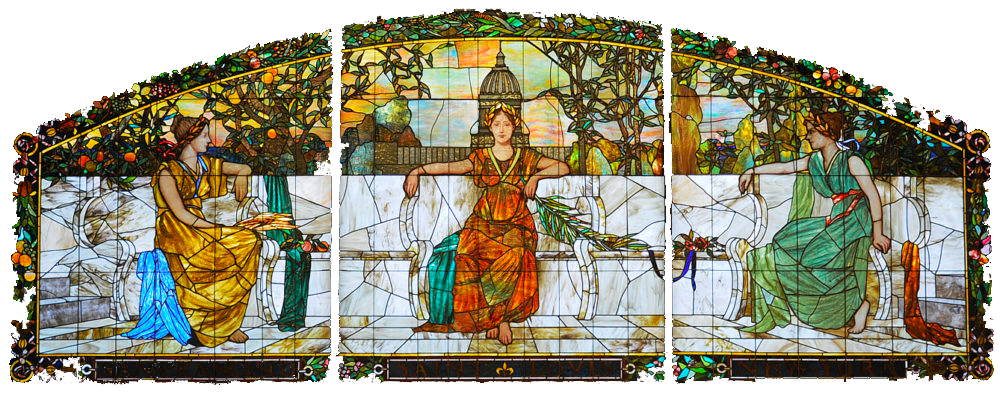
Gros Morne National Park sits on the west coast of Newfoundland’s Great Northern Peninsula. It’s spectacular, filled with otherworldly landscapes and vistas so gorgeous it feels like you can’t possibly have the capacity to fully absorb them. You can lose yourself in the scenery for days. Literally. Because what Gros Morne does not have is a reliable internet or satellite connection. We discovered that midway to Middle Brook Cottages and Chalets, home base for the next few nights.
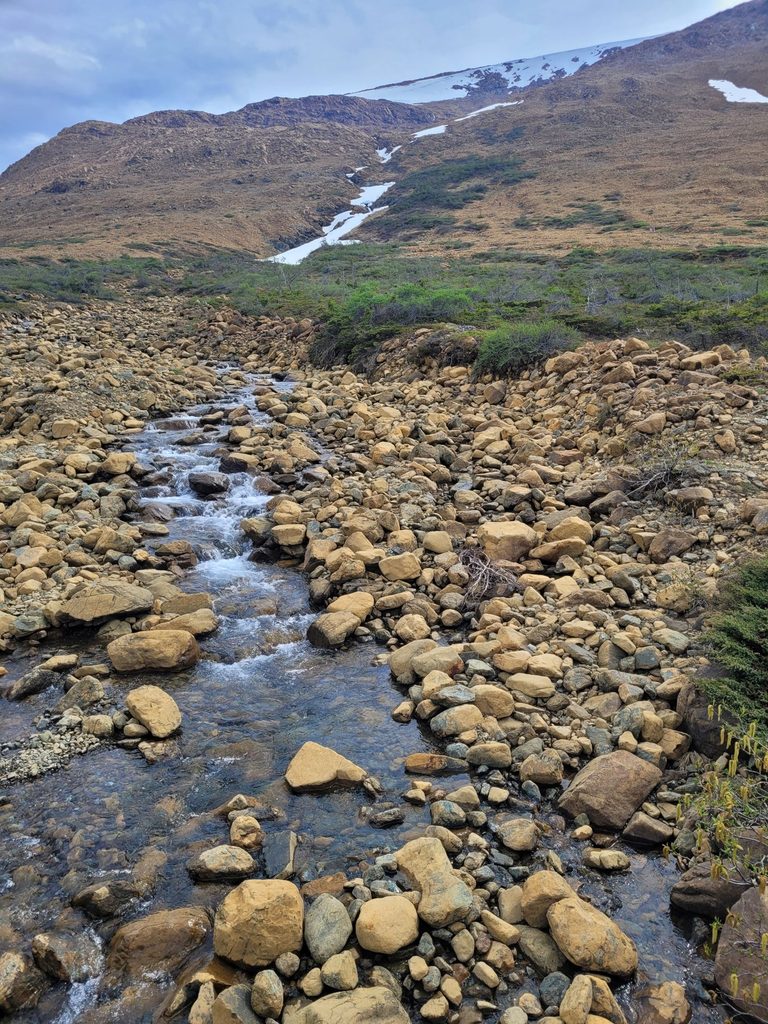
Maybe this lack of navigational guidance should have concerned me more than it did, but the fact is, I don’t mind getting a little lost. I have a history of taking off when my anxiety gets too high or when I need to think. I like trying to figure out where I am and how to sniff my way back. It’s getting harder to find unrecognizable routes at home, so this was an interesting challenge. WAZE couldn’t rescue me if I botched my personal version of an escape room, but I had a safety net: I always travel with backup maps and TripTiks (thanks, Dad).
I’m also a notorious Luddite when it comes to choosing analog over digital. My earliest road trips reflect this. Even though GPS technology was available for cars, I tended to base my trips on one Interstate and stay along that route for as long as possible. That’s how I ended up traveling cities and stops along Interstates 70, 80, 90, 5, and 40. Again, there were maps and TripTiks for all the ons, offs, and stops in-between. There was also that frequently overlooked commodity: People To Ask.
All this made it easy enough in Gros Morne for me to embrace the travel-equivalent of starting a fire with two sticks.
Research shows that people who rely heavily on GPS navigation risk losing their ability to find their own way. Passive reliance on voice-prompts doesn’t engage the brain or allow it to process spatial memory. This loss of intuitive ability is called “skill decay,” and it’s not the only ability we’re losing due to our reliance on technology over instinct. Our memory and information retention are affected by the fact that we don’t need to remember information as long as we know how to find it. Popping from screen to screen and jumping between hyperlinks dents our ability to analyze long-form text. Our brains have less downtime for creativity and problem-solving, because we’re never without something to occupy them just waiting on the screens in our pockets.
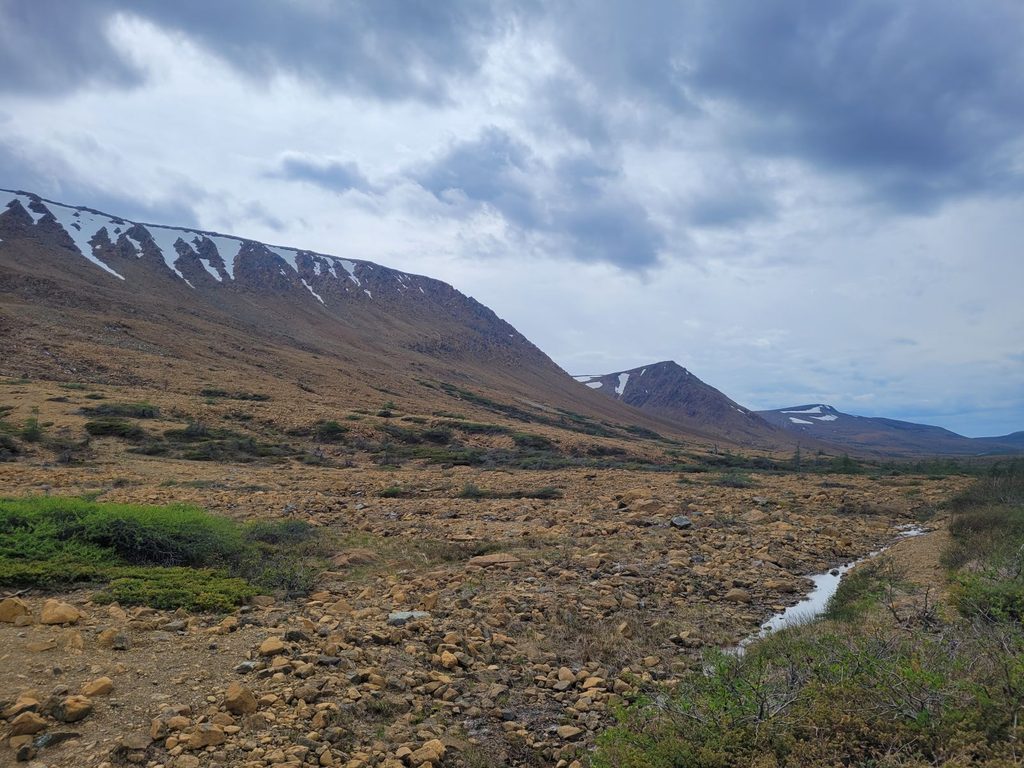
Of course, this is nothing we all don’t know. It just doesn’t seem relevant until you catch yourself reflexively glancing at your GPS or reaching for your phone even when you know there’s no digital connection to access. I’d had no idea how reflexive these actions were for me, even with my general preference for analog. Eventually, though, deciphering maps engaged my brain, giving it a starring role in figuring things out instead of playing the passive observer while digital tools did all the work.
It was a relief not to have to know everything all at once just because “everything” was immediately available for consumption. Without data overload, I absorbed information more thoroughly, at my own pace.
And, yeah … it was nice to prove to myself that I CAN find my way out of a paper bag.
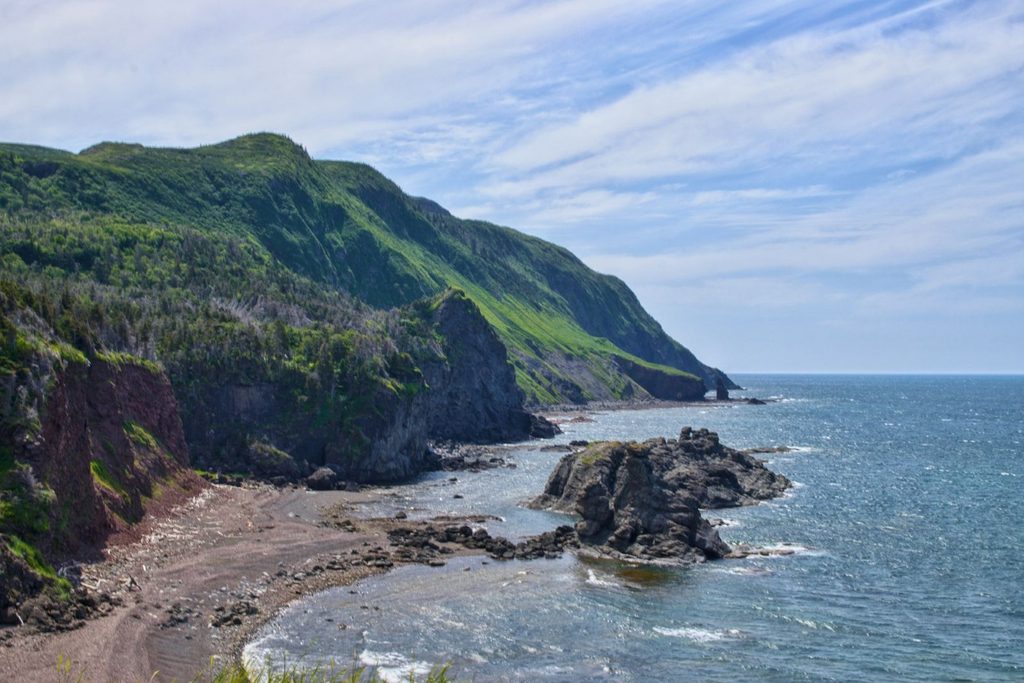


Jill, so many ways of finding one’s way when lost. I also still print out everything